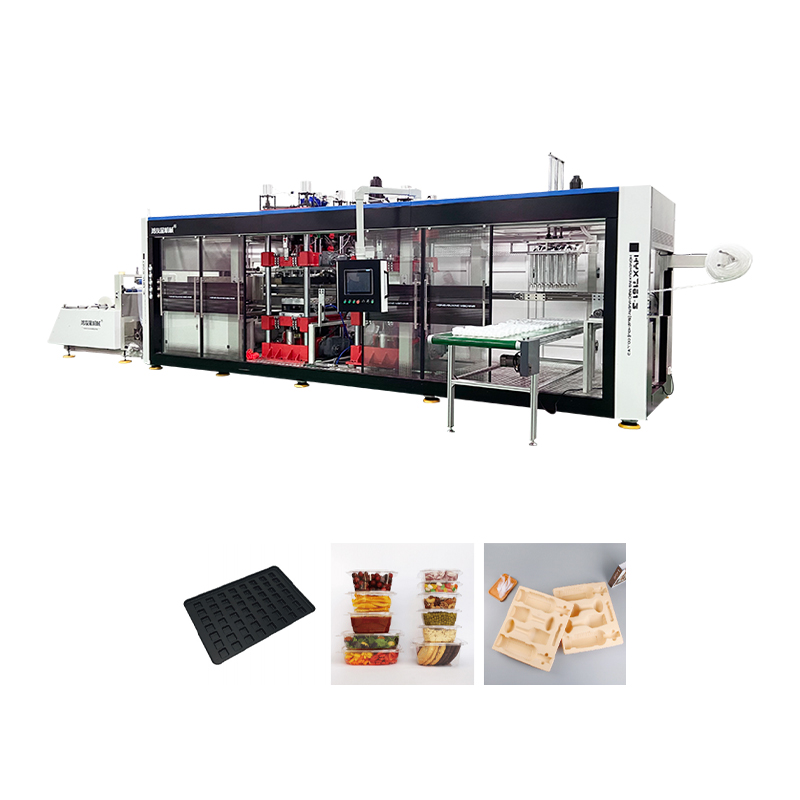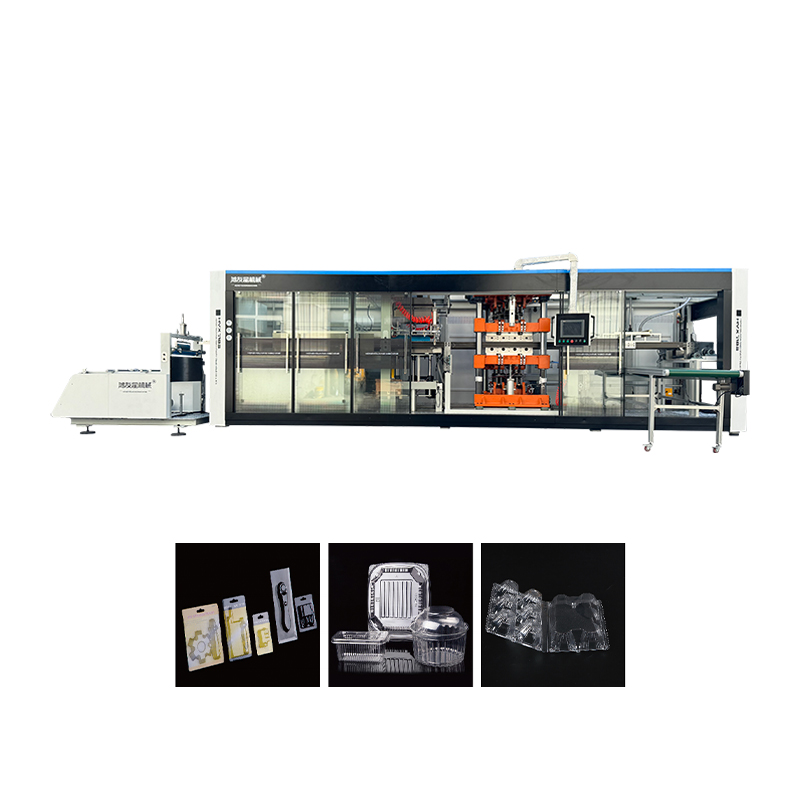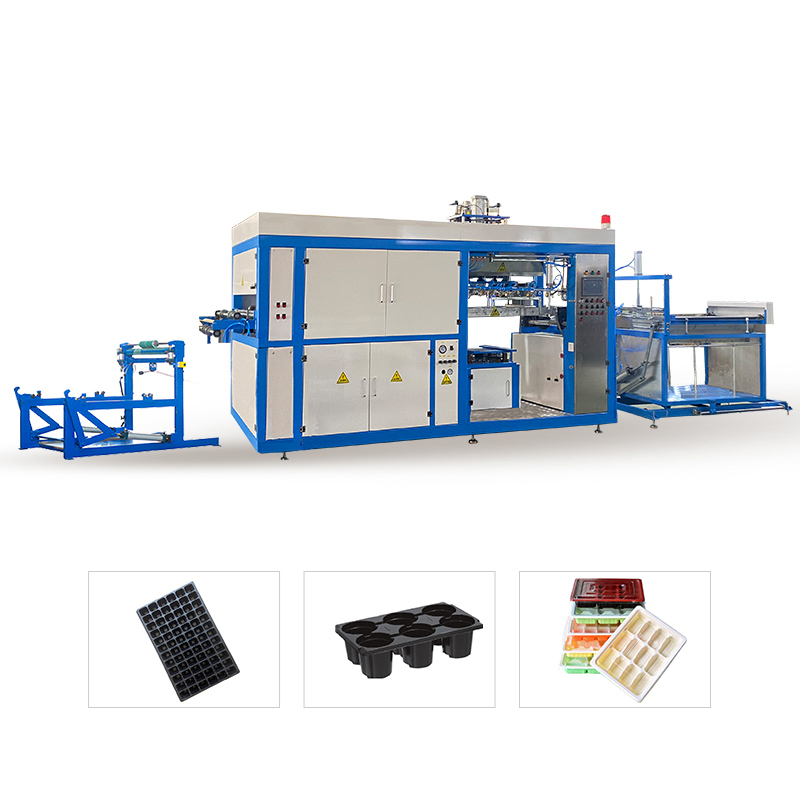


Rumah / Berita / Berita Industri / Automotive Plastic Components: Materials, Thermoforming and Selection Guide


When you open the door of a modern car, the interior is filled with carefully designed plastic components. In fact, industry estimates indicate that an average vehicle contains about 1,000 plastic parts. These components are not just decorative; they must endure heat, vibration, and impact while helping the vehicle run more efficiently. For anyone involved in sourcing, designing, or manufacturing these parts, understanding material properties, forming processes, and quality control requirements is essential to making sound decisions.
An average vehicle contains roughly 1,000 plastic parts, and thermoforming offers a cost-effective way to produce many of them with consistent quality.
Automakers have shifted increasingly toward plastic components for measurable reasons. The most important drivers are:
These practical benefits explain why plastic usage per vehicle continues to rise globally. The choice is not about substituting a material for its own sake; it is about optimizing performance, durability, and total production cost.
Selecting the right material is the first critical step in producing reliable automotive components. Each plastic offers distinct characteristics that determine its suitability for specific applications. The four most common materials used in automotive manufacturing are:
| Material | Typical Properties | Main Applications in Vehicles |
|---|---|---|
| Polypropylene (PP) | Lightweight, excellent chemical resistance, good fatigue resistance | Bumpers, wheel covers, door trim, carpeting |
| ABS | High impact strength, good surface finish, easy to form | Dashboards, door panels, air vent grilles, interior trim |
| Polycarbonate (PC) | High transparency, exceptional impact resistance, heat resistance | Headlamp lenses, window glazing, instrument cluster covers |
| PVC | Good electrical insulation, weather resistance, flexibility | Wire insulation, weather strips, interior upholstery |
In practice, a dashboard is often produced from ABS or a PC/ABS blend, while door trim panels typically use PP or ABS. Transparent light covers are generally made from PC. If the wrong material is chosen, a component can fail prematurely through thermal degradation, cracking, or loss of mechanical strength under extreme conditions.
Thermoforming is a manufacturing process in which a thermoplastic sheet is heated until soft, then formed over a mould using vacuum or positive pressure. Compared with injection molding, thermoforming offers several important advantages for automotive component production:
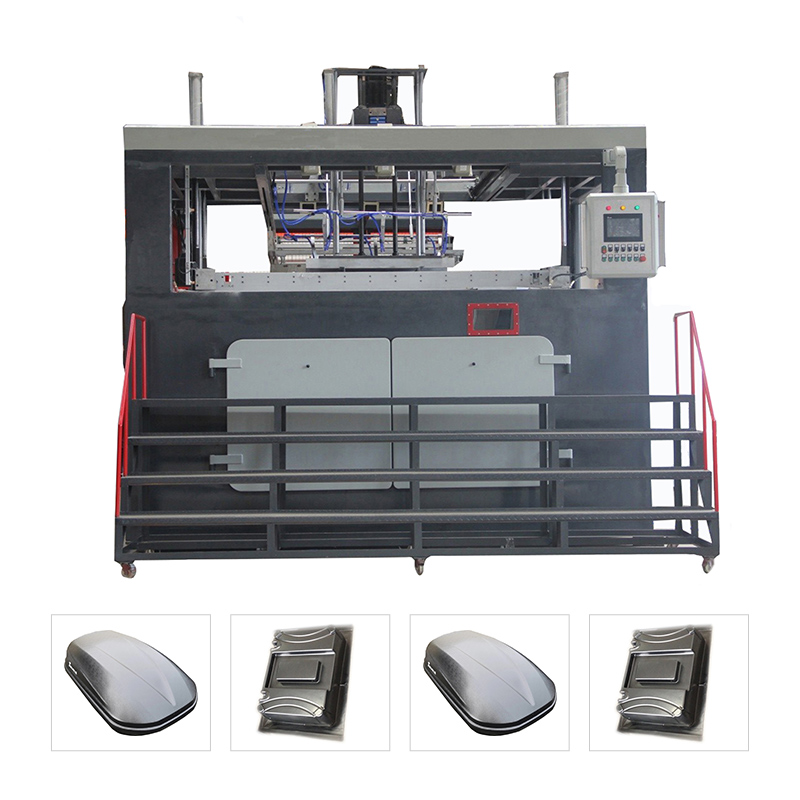
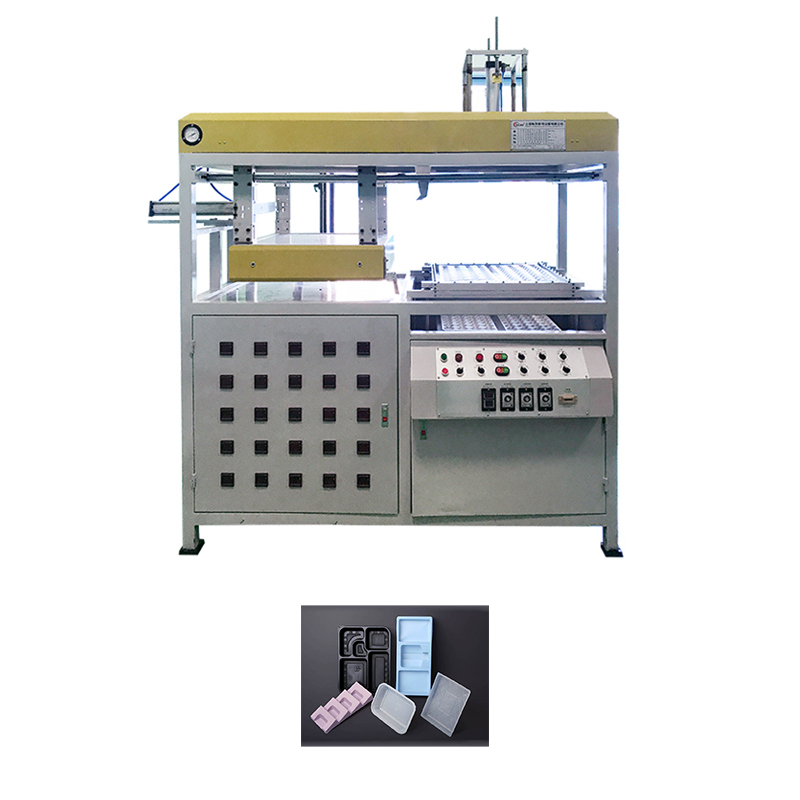
For thicker automotive components such as structural interior panels and bumper liners, a thick sheet vacuum thermoforming machine is the appropriate choice. It can process sheets well over 12 mm thickness, producing strong, dimensionally stable parts that maintain consistent mechanical performance throughout the production run.
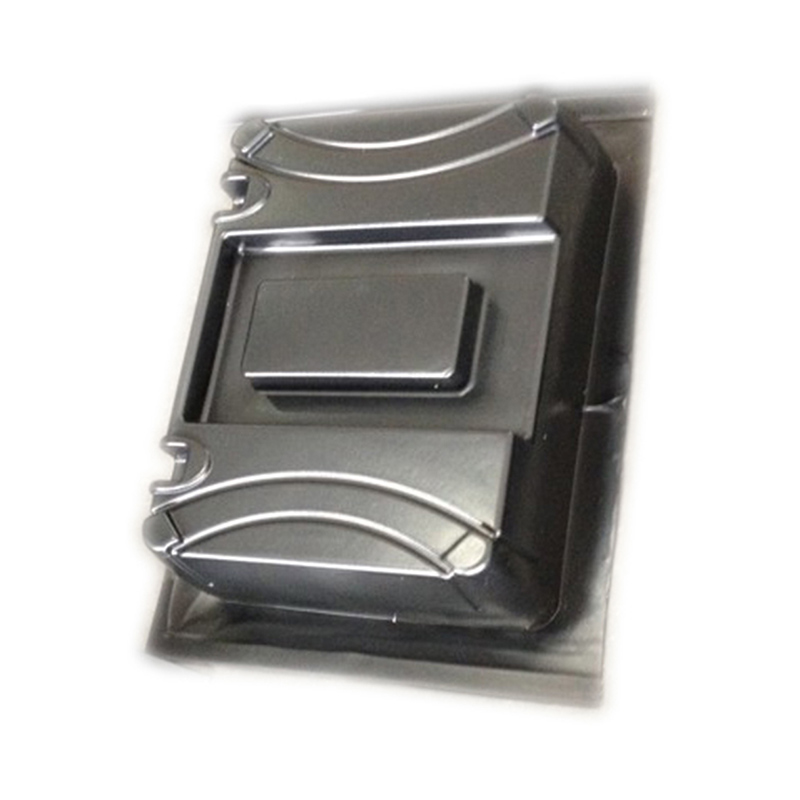 Thick Sheet Vacuum Thermoforming Machine for Automotive Components This machine processes sheets over 12 mm thick, producing strong, dimensionally stable parts like interior panels and bumper liners. Its robust frame and vacuum forming system ensure consistent mechanical performance, making it suitable for demanding automotive applications. View Product →
 Decision-makers must evaluate a range of factors before finalising a component design or selecting a manufacturing partner. The following are the most critical considerations:
Dimensional accuracy is closely linked to the quality of the forming mould. A high-quality thermoforming aluminum mold provides the necessary thermal conductivity to distribute heat evenly, reducing cycle time and preventing common defects such as uneven wall thickness or localised stress concentrations.
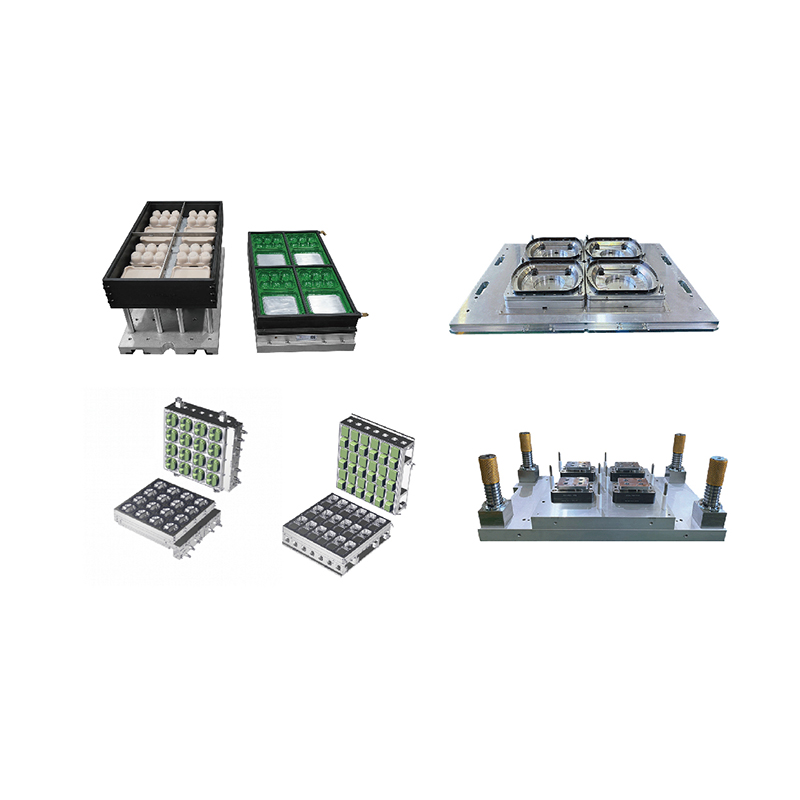 Positive and Negative Pressure Thermoforming Aluminum Mould This aluminum mould features positive and negative pressure control with internal cooling and gas passages, ensuring uniform heat distribution and precise part accuracy. It helps reduce cycle time and prevents defects like uneven wall thickness, essential for high-quality forming. View Product →
 Plastic components are found in almost every functional area of a modern vehicle. The table below outlines common applications across different vehicle systems:
| Vehicle System | Typical Components | Common Materials |
|---|---|---|
| Exterior | Bumpers, wheel covers, mirror housings | PP, ABS |
| Interior | Dashboards, door panels, center consoles, armrests | ABS, PC/ABS |
| Lighting | Headlamp lenses, fog light covers | PC, PMMA |
| Electrical | Wire insulation, connectors, fuse boxes | PVC, PP, PA |
| Engine Compartment | Air intake manifolds, air filter housings | PP, PA 66 |
Beyond structural and decorative components, protecting automotive parts through the supply chain is equally important. Precision plastic components can be scratched, contaminated, or damaged during transport. Using automotive parts vacuum packaging helps prevent these issues by sealing parts against dust, moisture, and physical impact. This is especially valuable for large interior parts, electronic components, and high-cleanliness assemblies that must arrive factory-fresh.
Interior components such as car side panels and dashboards present particular challenges. The design must balance structural rigidity, surface aesthetics, and thermal stability. Our car side panels and dashboards article explains how these requirements shape the production approach, from material choice to post-processing. Trimming is a key step in this context, and a reliable hydraulic cutting machine ensures precise edge quality and repeatable dimensions for every finished part.
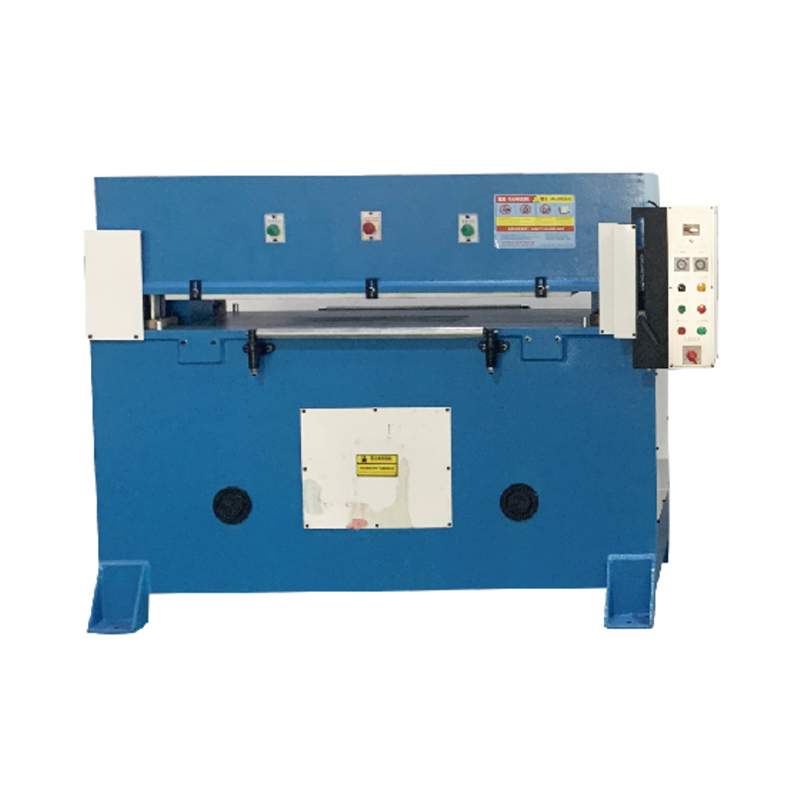 Automatic Thermoforming Hydraulic Cutting Machine for Precise Trimming This hydraulic cutting machine delivers fast, accurate cuts for thermoformed parts, ensuring clean edges and repeatable dimensions. It pairs well with vacuum forming machines, supporting efficient production of interior components and other plastic parts. View Product →
 PP and ABS are widely used. PP offers excellent chemical resistance and fatigue performance, making it suitable for bumpers and interior trim. ABS provides high impact strength and a smooth surface finish, ideal for dashboards and door panels. For transparent, impact-resistant applications, PC is preferred.
Yes. With high-quality aluminium tooling, precise temperature control, and modern equipment, thermoforming can achieve dimensional tolerances of approximately ±0.5 mm, which is sufficient for most automotive components. The final tolerance depends on part geometry, material, and process stability.
Thermoforming has significantly lower tooling costs and shorter lead times, making it ideal for design iterations and medium-volume production. It also preserves the original impact strength of the material. Injection molding is generally preferred only when extremely high production volumes or complex internal geometries are required.
Yes. Vacuum packaging protects parts from moisture, dust, and physical damage during long-distance transport. For components that require high cleanliness or are delivered to overseas assembly lines, vacuum packaging is virtually indispensable for maintaining quality and reducing in-transit damage.
Automotive plastic components are central to modern vehicle engineering. They allow cars to be lighter, more efficient, and more aesthetically distinctive while maintaining safety standards. Among the available manufacturing processes, thermoforming offers a compelling balance of cost efficiency, design flexibility, and production reliability.
For companies investing in thermoforming equipment or seeking a reliable partner to produce plastic components, the choice of supplier matters more than the machine alone. A capable partner should provide complete support: equipment selection, mould design, process commissioning, and after-sales service. The company also needs experience in matching tooling, materials, and auxiliary equipment to the specific requirements of automotive applications.
Choosing a manufacturer with in-house mould production, auxiliary equipment, and engineering expertise creates a single point of accountability. This reduces procurement risk, shortens the path from concept to production, and helps ensure that every component meets the demanding standards of the automotive industry.
 +86 18621972598
  +86 186 2197 2598
  [email protected]
 No. 565, Jalan Xinchuan, Komuniti Xinta, Lili Town, Daerah Wujiang, Suzhou City, China
 Hak Cipta © 2024 Mesin thermoforming/mesin cawan plastik Hak Cipta Terpelihara.Pengeluar Mesin Plastik Pembentuk Termo Vakum Automatik Tersuai